

Get to know about Indian potatoes — their rich nutritional content and global export standards.
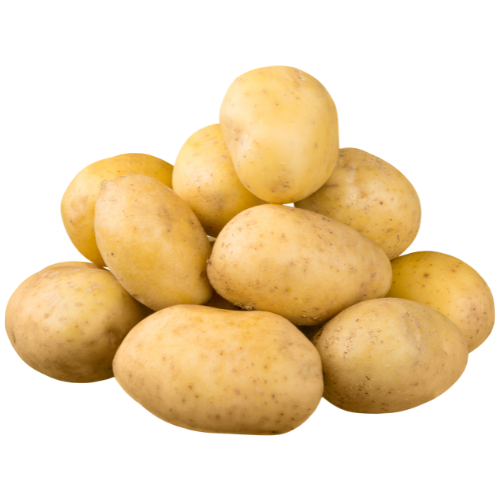
Potato export from India has seen significant growth due to the global demand for versatile, nutritious, and long-lasting Indian potatoes. Known for their uniform size, rich texture, and excellent shelf life, Indian potatoes are used widely in culinary and industrial applications.
At Harvest Food Exim, we are among the leading potato exporters in India, offering premium-grade produce sourced directly from trusted farms. As a top potato exporter in Gujarat, we ensure every shipment meets global standards through strict quality checks, proper grading, and hygienic packaging.
| Specification | Details |
|---|---|
| Calories (per 100g) | 77 kcal |
| Carbohydrates | 17 g |
| Vitamin C | 19.7 mg (33% DV) |
| Origin | India |
| Sizes Available | 45mm+, 55mm+, 65mm+ |
| Shelf Life | 2-3 months (cool, dark place) |
India is a major place for sourcing potatoes, mostly because they grow in many areas across the country. Different potato farming regions in India harvest at different times, so there is rarely a gap in supply. Farmers here have been doing this for years, so the output stays stable most seasons. Buyers like that. They don’t want sudden shortages. That is one reason people prefer potato exporters. And the cost stays reasonable, so potato export usually works for long term orders.
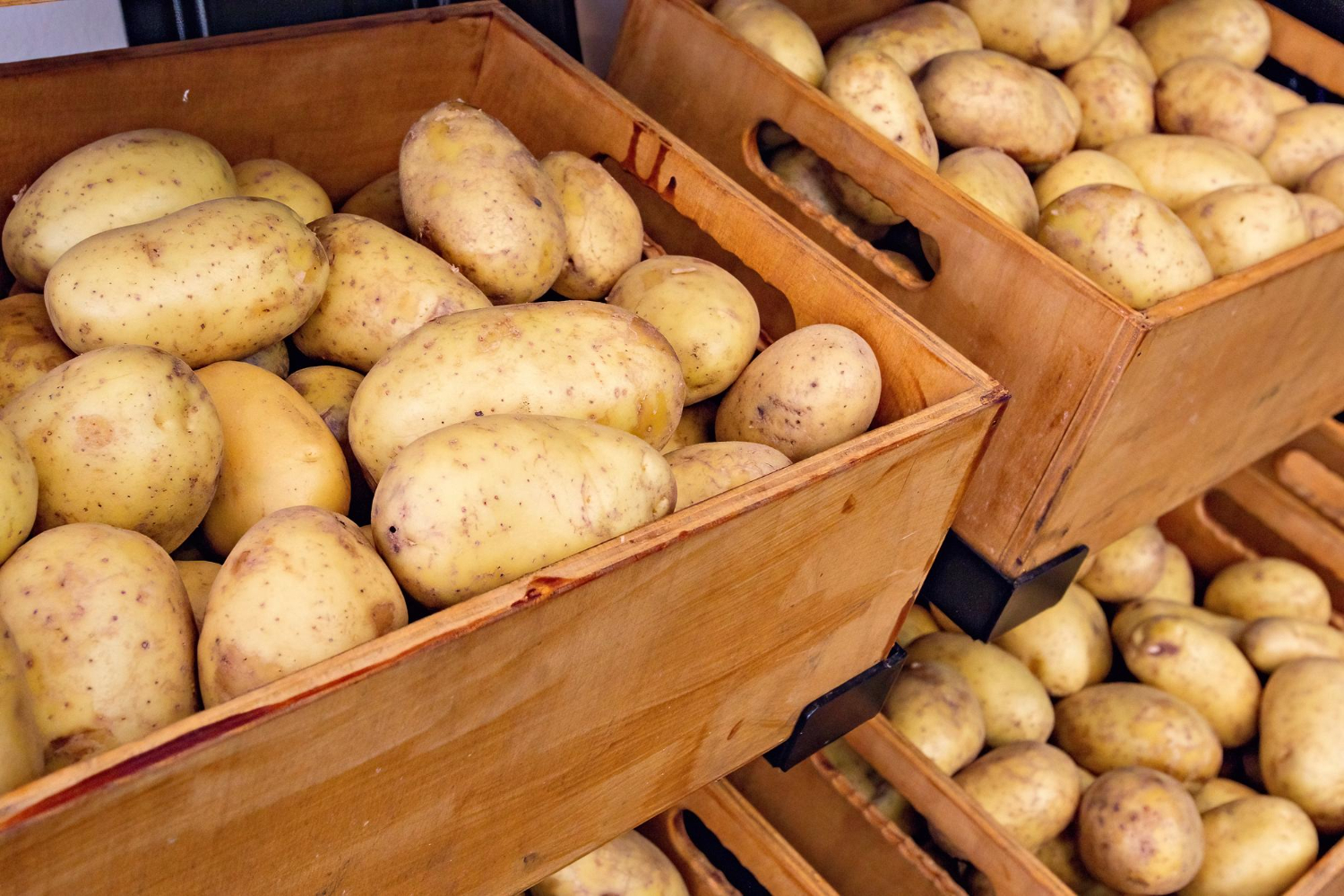
The global food trade has been shifting quite a bit, and potatoes grown in India seem to fit into these changes without much trouble. More buyers now prefer produce that stays fresh through long shipping periods, and Indian suppliers have been able to match that need because many farms have slowly improved their growing and handling methods. This is one reason potato exporters have started receiving more enquiries from different regions, and the overall potato export from India has grown at a steady pace.
Most potatoes that come out of the field are not immediately suitable for export, and buyers abroad expect a certain level of consistency. For export quality potatoes in India, the process starts right at the farm. Importers usually want potatoes that look fairly similar in size because it makes packing and later processing much easier. This is why potato exporters spend time sorting and removing pieces that do not match the usual range. The skin condition matters too; tubers without cuts or bruises tend to last longer during long-distance shipping.
Smaller steps also add up. Potato exporters wash the produce with clean water and let it dry fully before packing. Many export companies in India follow the standards required by importing countries. With a stable potato export price India and support from Indian exporters, the overall supply remains dependable for global markets.
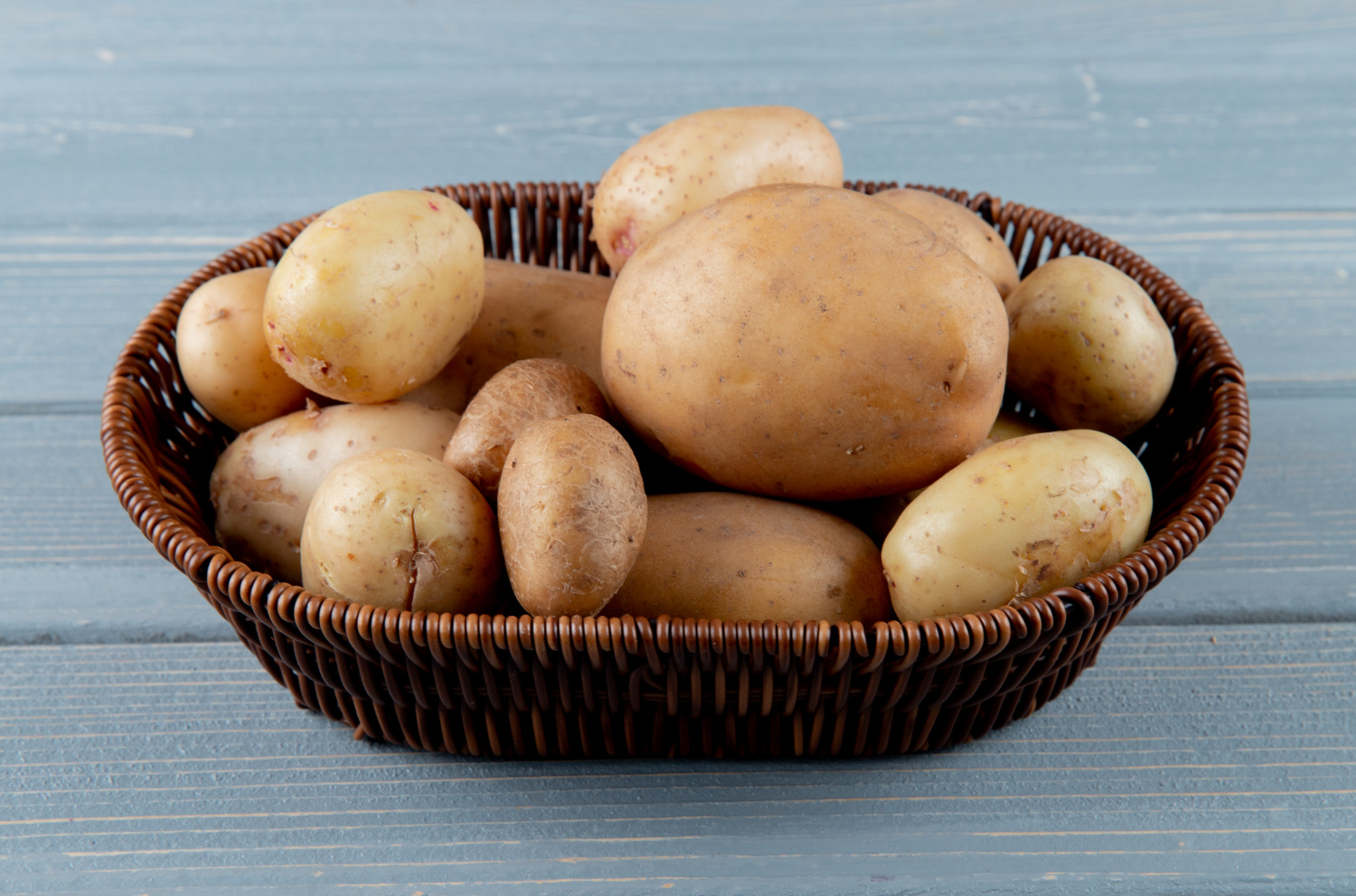
Exporting potatoes from India comes with a bunch of steps, and most exporters just follow them as routine now. Nothing complicated, but everything has to be done. APEDA registration is usually the first thing. They basically check if the produce is okay for export, meets the usual food standards, that sort of thing. Without this, potato export doesn’t move anywhere.
The whole export process more or less starts at the farm. Potatoes have to be grown in the right soil and pulled out when they’re actually mature, not too early, not too late. Farmers in the main potato farming regions usually follow their own local schedules, and that routine helps potato exporters get a steady flow. After harvesting, the potatoes go to basic sorting sheds where anything bruised or oddly shaped is removed. Only after this grading step does potato export move into the paperwork side.
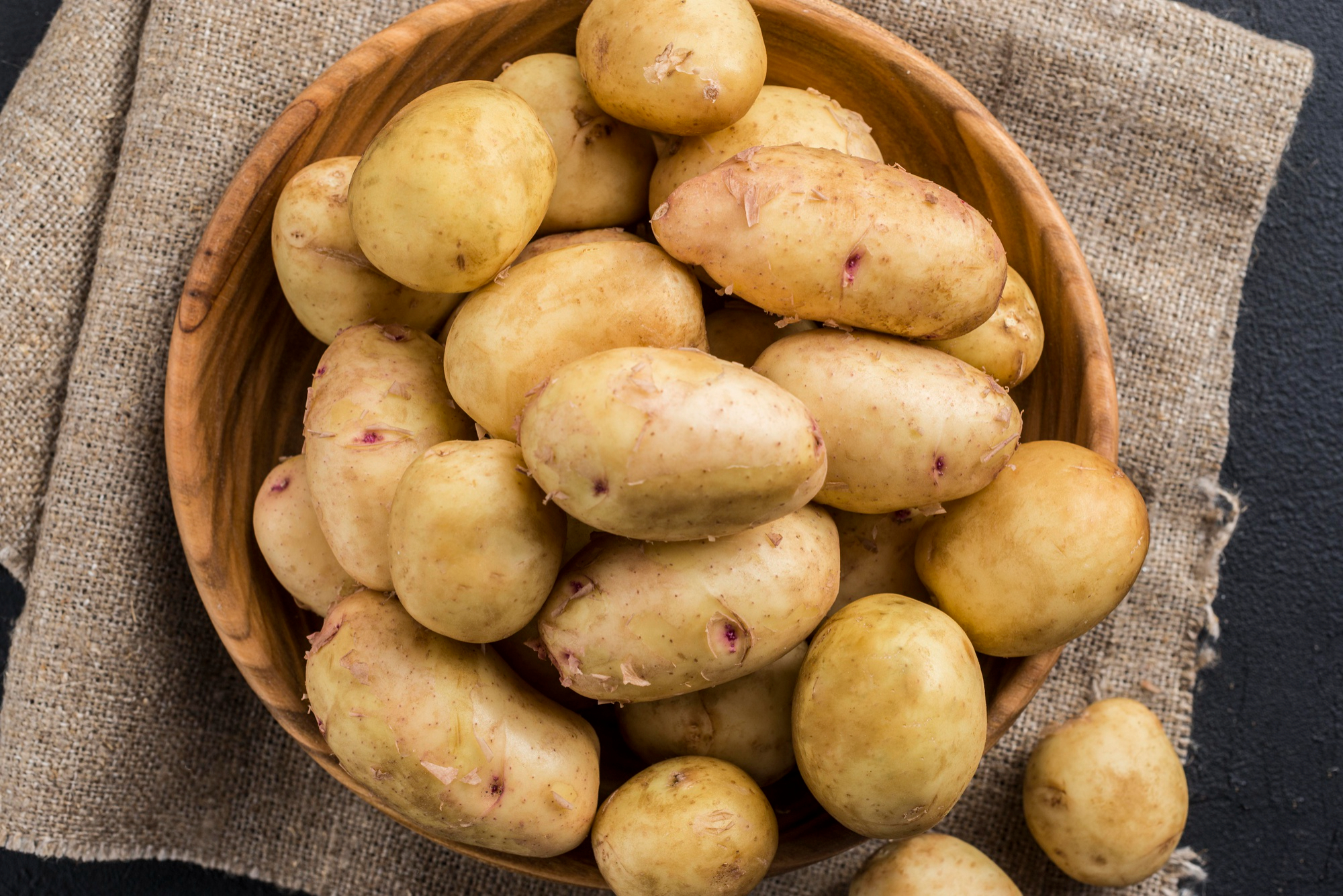
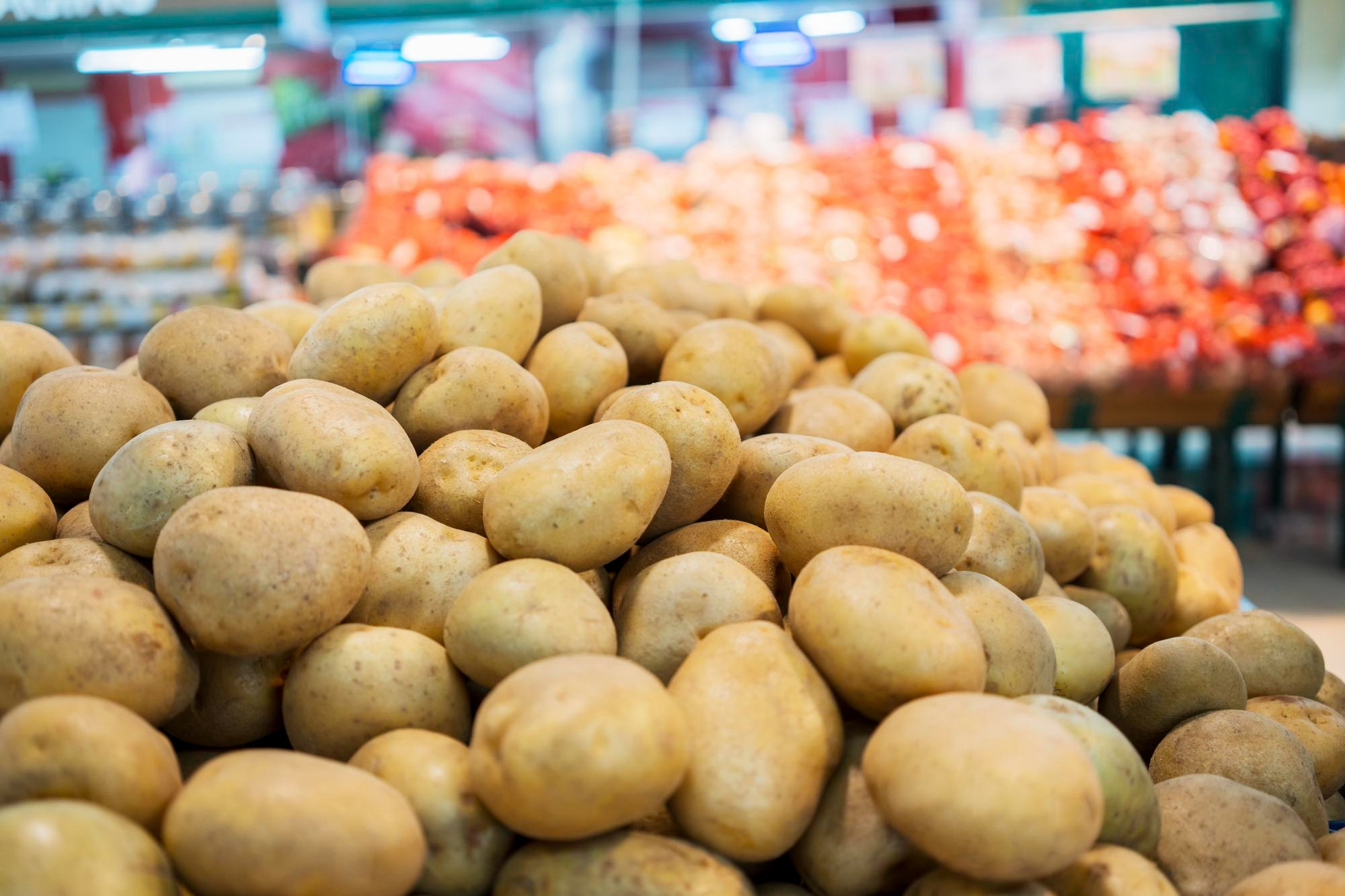
Moving potatoes from farms to the port affects how they look when they finally reach the buyer, and the whole process is more sensitive than it seems. Potatoes don’t like heat, too much moisture, or being tossed around, so exporters try to plan the movement carefully. Most potato exporters end up using refrigerated trucks or at least well-ventilated carriers so the crop doesn’t warm up during long inland trips. In some regions the temperature rises quickly, so extra care is needed.
Cold storage units spread across the main potato farming regions help a lot. These places keep the potatoes firm and slow down sprouting. Export quality potatoes need a steady temperature from sorting to loading, otherwise it loses freshness fast. potato exporters usually book storage in advance during busy months because last-minute space is always a problem.
Gujarat has a small advantage here. A potato exporter in Gujarat deals with shorter trips to the port, so the crop faces less handling stress. When containers are loaded, workers leave some space for air to move between bags or crates. This simple method reduces bruising and helps with shelf life.
Shipping lines run different schedules, so potato export companies pick routes based on how long the journey will take. Indian potato suppliers often track the container once it leaves, just to update buyers. Delays cost money, so exporters try to plan routes that keep the potato export price India stable.
Sometimes vegetable exporters arrange mixed loads when buyers want more than one product. That way container space is used properly without harming the potatoes.
Processed potato products have become an important category for many global buyers. The demand for ready to use foods encourages potato exporters to supply raw material that suits these processing needs. This segment grows year after year and adds value to potato export. Factories use export quality potato in India to manufacture a variety of products that appeal to both household consumers and large food chains.
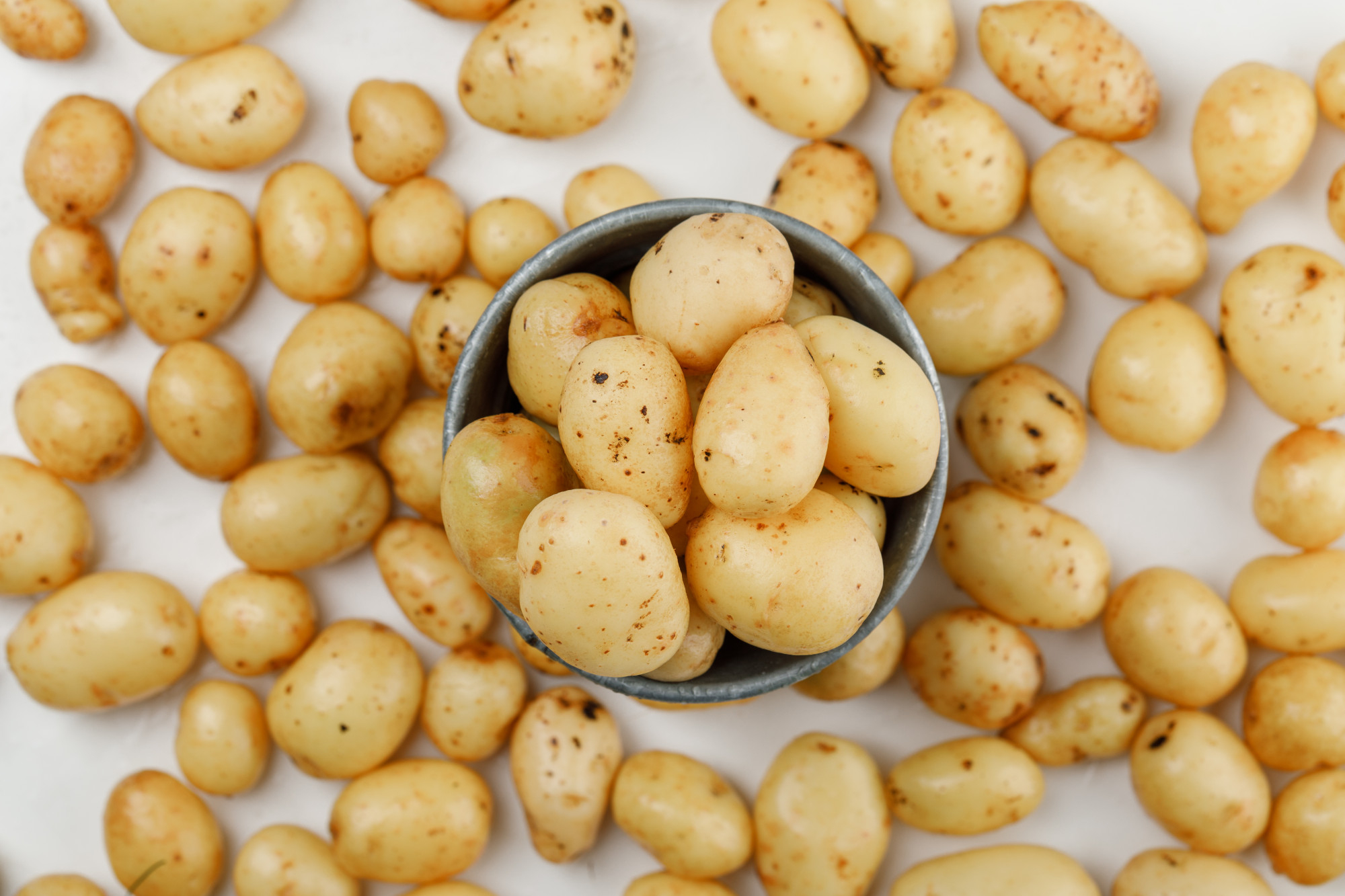
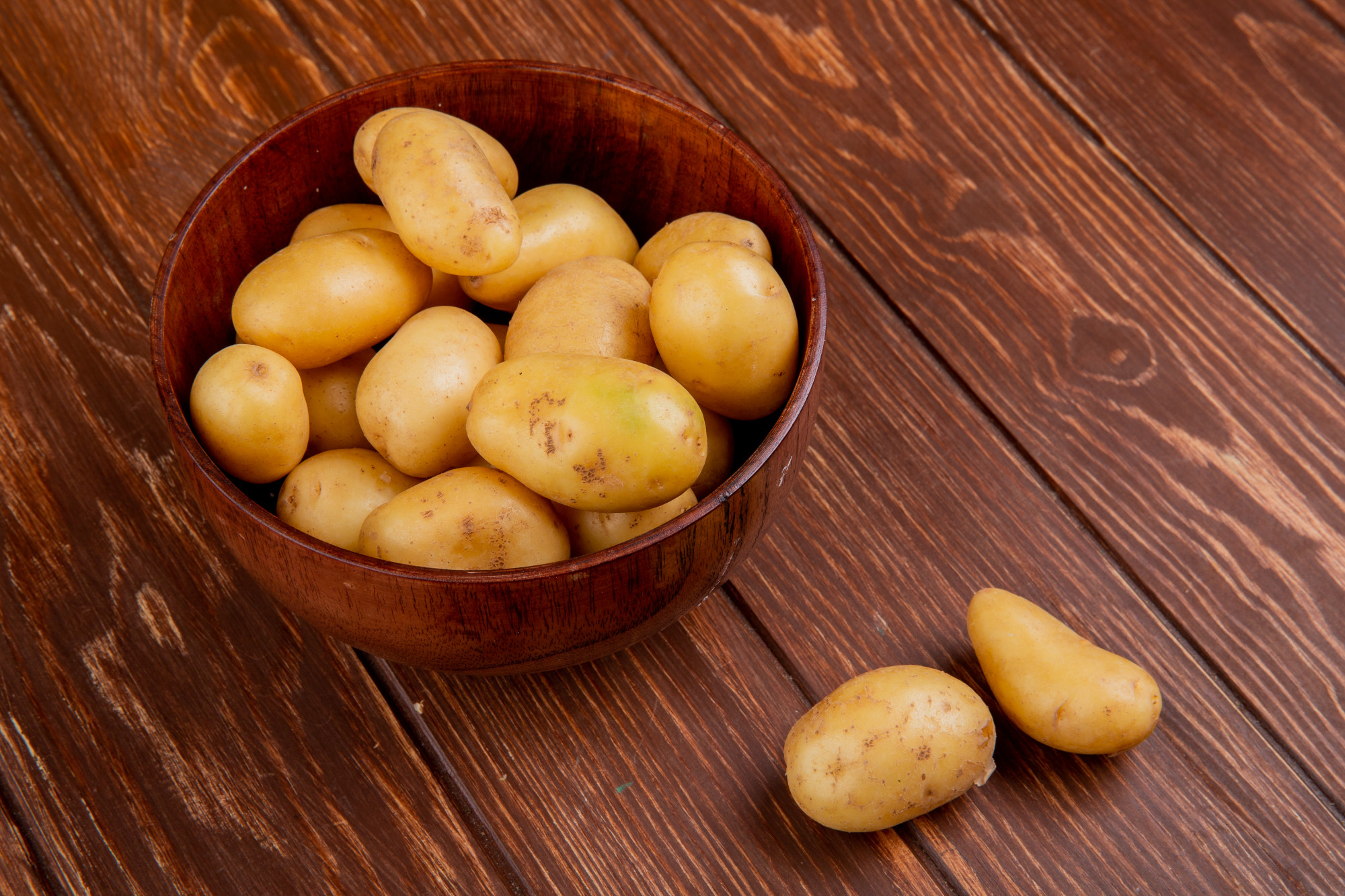
Processed potatoes come with a bunch of advantages, and it’s not really one thing, it’s several small things that add up. For exporters, it’s mainly about control. When the fresh crop goes up and down (happens every season), they don’t have to stop everything. They can still ship frozen stuff, flakes, whatever is already processed. So potato exporters manage to keep sending orders even when the harvest isn’t perfect. That keeps the whole potato export from India steady instead of shaky.
And because these factories want good raw material, they keep asking for export quality potatoes in India. So farmers try to grow cleaner, more even lots. Some of these units check with a fresh potato exporter in India almost daily just to line up batches that look the same. It turns into a cycle that helps the whole chain run smoother.
Buyers like the convenience too. Less prep time, same taste each time, so restaurants and food businesses go for it. Potato export companies get more demand because of that.
Places like Gujarat (and any potato exporter in Gujarat will say the same thing) supply varieties that work well for processing. And since different potato farming regions keep producing across seasons, the supply doesn’t crash easily.
Processed potatoes don’t spoil much as they travel fine and are easy to manage when it comes to logistics. With the potato export price India staying reasonable, a lot of distributors abroad prefer long contracts. Indian potato suppliers, wholesale exporters and vegetable exporters keep pushing these products into more markets.
Sustainability in potato fields is not one fixed rule. Farmers sort of do a mix of things that work for their soil. Some of them rotate crops because potatoes every year just exhaust the land. One season potato, next season something lighter, maybe a legume. It keeps the soil from getting tired. People in the villages talk about “letting the field rest,” and in their way, that’s exactly what it is. Water use is another thing that changed slowly. A few still flood the fields but many have shifted to drip lines or sprinklers. Nothing complicated. Just a way to stop wasting water and still keep the plants fed. And the potatoes turn out more even when watering is not all over the place.
Fertiliser, earlier it was whatever was available. Now lots of farmers get soil checked first and add only what the soil actually lacks. Saves money, stops runoff, and keeps the field usable for the next season too. For pests, people don’t spray everything blindly anymore. They use resistant seeds, some natural sprays, and only spray chemicals when the problem gets out of hand. After harvest, good curing and stacking reduce waste. A lot fewer potatoes get spoiled. All small steps, but they matter over time.
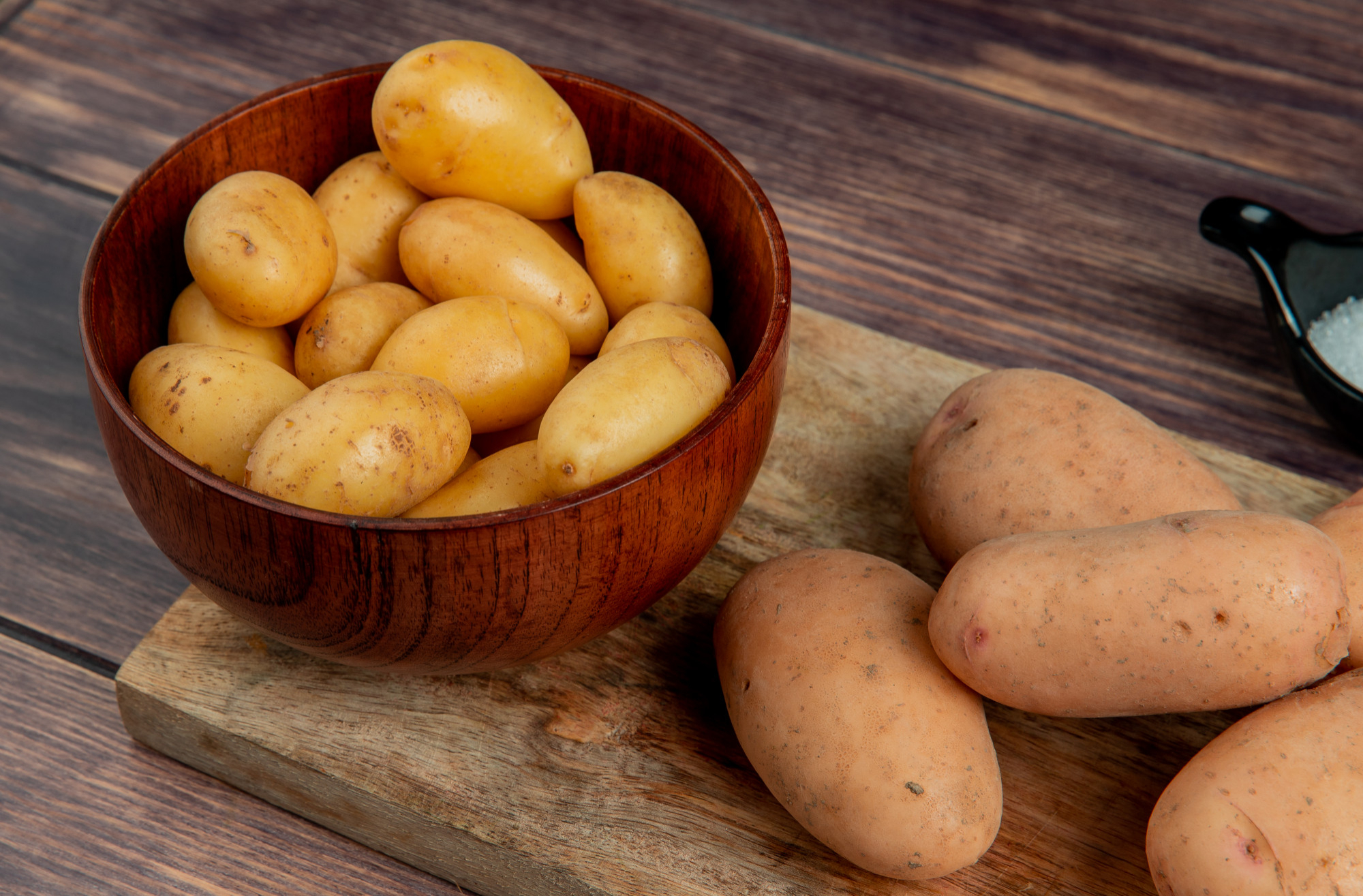
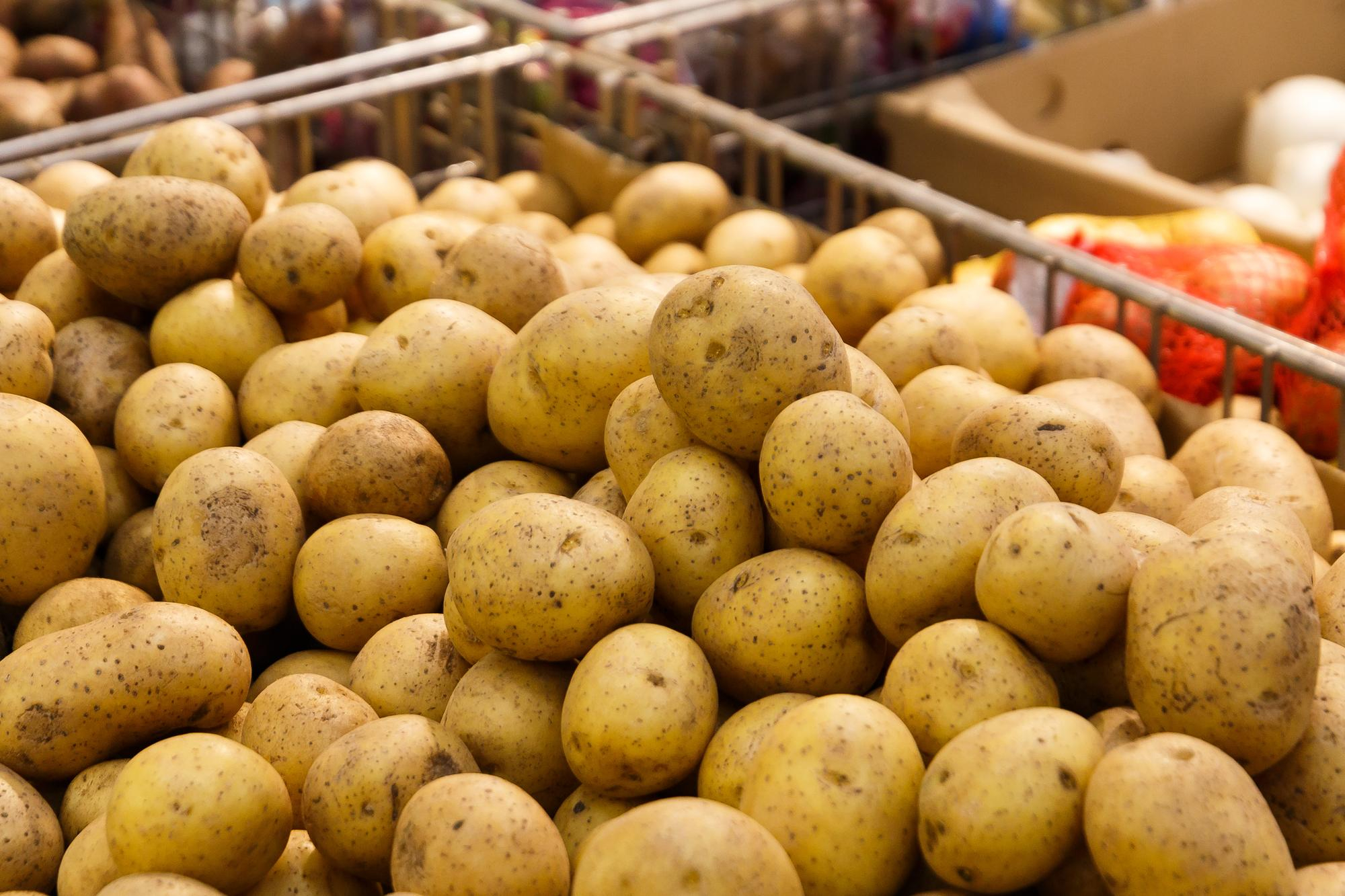
Potato exports aren’t as simple as they look. There are a bunch of issues that show up every season. Weather is the first one. If the main potato farming regions get hit with unexpected rain or heat, the crop size changes a lot. Sometimes the harvest drops suddenly and then potato exporters struggle to find enough uniform lots for the same buyers.
Harvest Food Exim doesn’t really follow one perfect system, it’s more like they handle things piece by piece. They stay tied to farmers in a bunch of potato farming regions, so if one place has a weak harvest, something still comes in from somewhere else. That’s mainly how they keep export quality potatoes in India moving, even when the market isn’t steady. Buyers get batches that look close enough, not wildly mixed.
Storage is basic but works. Cool rooms, steady air, nothing too technical. A lot of potato exporters complain about sprouting, moisture loss, all of that, but when the temperature stays stable, most of those problems just stop. Their sorters throw out the bad stuff early so it doesn’t slip into bags later.
Paperwork feels like a checklist more than a system. Whether it’s a potato exporter in Gujarat or another area, they sit with the docs and fix tiny errors before customs sees anything.
Suppliers working with them follow simple handling steps so the potatoes don’t get dents or bruises. The team also keeps an eye on potato export price India, just to avoid shocks when signing long deals.
For moving cargo, they stick to transporters they’ve used before. Containers are tracked until buyers confirm delivery. Potato exporters around them help reach more markets. All these small bits together cut down the risk.
Picking Harvest Food Exim for potato exports has not one single reason. It’s a mix of small things we do right. We work with farmers in different potato regions, so if one area has a weak crop, we still manage to arrange steady supply from somewhere else. That makes life easier for importers who don’t want surprises. We know how to get export-quality batches sorted early too, tossing out the bad pieces before packing.
Our cold storage setup is simple but reliable. Potatoes don’t sprout or soften much, which is a big deal in long-distance shipping. Paperwork is handled slowly and carefully, so shipments don’t get stuck over tiny mistakes. A potato exporter in Gujarat might have an advantage in distance, but we make sure every region’s shipment is treated the same way.
We track prices, talk to buyers regularly, and keep containers monitored. Just small things but they add up and make partnering with us easier.
